Babies learn through their senses. Every touch, sight, and sound builds new connections in their developing brains. Art activities give infants safe opportunities to explore textures, colors, and movements while strengthening fine motor skills and creativity from day one.
This guide shares practical, mess-friendly art experiences designed specifically for babies from birth through their first year. You will discover what materials work best, how to set up safe creative spaces, and why these early art moments matter more than the finished product.
Why Art Matters for Babies Under One Year
Many parents and caregivers wonder if infants are too young for creative activities. Research shows that sensory experiences during the first year of life shape brain development in powerful ways. When babies squeeze paint-filled bags, pat textured collages, or watch colors swirl, they engage multiple senses simultaneously.
Process art for infants focuses on exploration rather than outcome. Your six-month-old does not need to create a recognizable picture. The value lies in touching cool paint, seeing bright colors, and experiencing cause and effect. These moments build neural pathways that support later learning in reading, math, and problem-solving.
Art activities for infants 0-12 months also strengthen the bond between caregiver and child. Sitting together during these experiences creates positive associations with creativity and learning. Babies pick up on your enthusiasm and curiosity, which encourages their own willingness to explore.
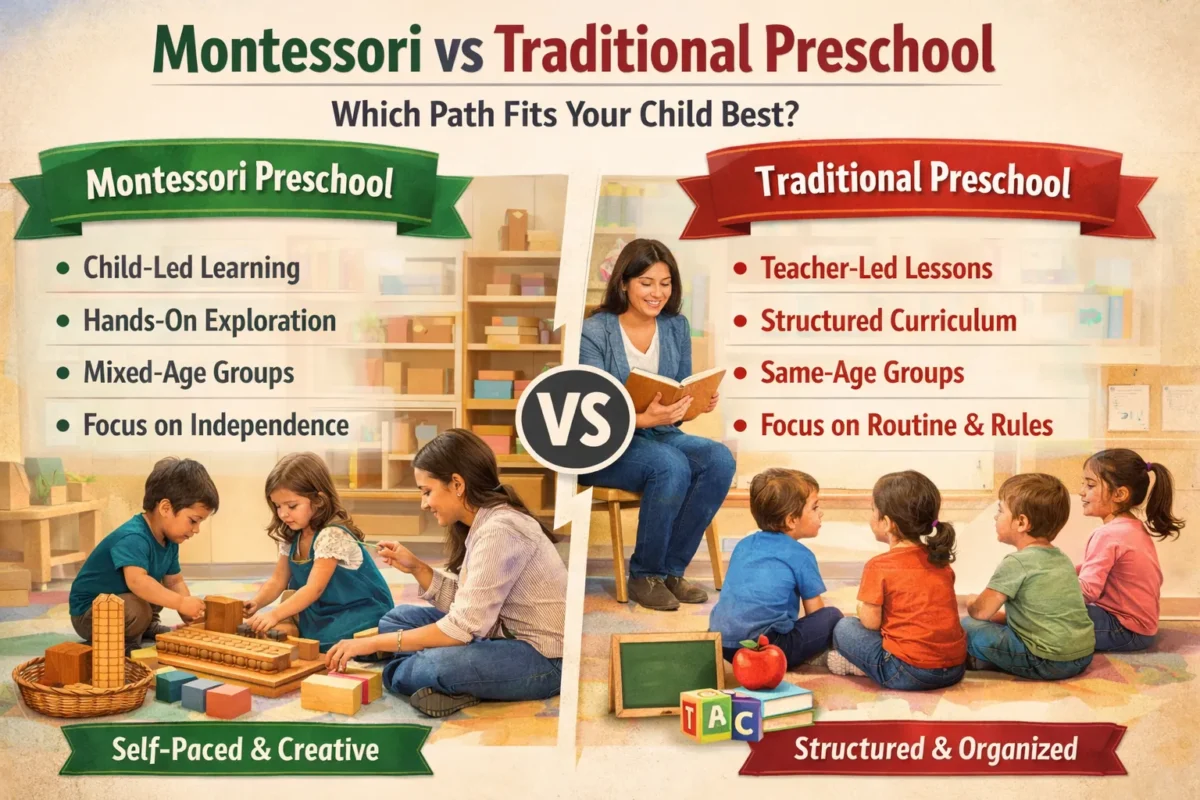
Also Read : Montessori vs Traditional Preschool: Which Path Fits Your Child Best?
Setting Up Safe Art Spaces for Babies
Safety comes first when planning creative activities for babies. Infants explore the world by putting everything in their mouths, so materials must be non-toxic and edible when possible. Check that paints, crayons, and other supplies carry labels stating they meet safety standards for young children.
Create a contained workspace that limits mess and stress. Highchair trays work wonderfully for seated activities. Large plastic mats or shower curtains protect floors during tummy time art sessions. Keep wet wipes and damp cloths nearby for quick cleanups. Dress babies in old clothes or just a diaper during messier projects.
Supervision matters throughout every art session. Never leave an infant unattended with art materials, even for a moment. Watch for signs that your baby is tired, overstimulated, or ready to stop. Sessions lasting five to ten minutes often provide plenty of sensory input for young infants. Older babies approaching their first birthday may engage for fifteen to twenty minutes.
Sensory Art for Newborns to Three Months
The youngest infants benefit from visual stimulation and gentle tactile experiences. High-contrast art with black and white patterns supports their developing vision. Create simple artwork for infants by painting bold stripes, circles, or zigzags on poster board. Hang these near changing tables or play areas where babies can study them during alert periods.
Texture boards offer wonderful infant art projects for this age group. Glue fabric swatches, ribbon, felt, and other safe materials to sturdy cardboard. During tummy time, place the board where your baby can reach out and touch different surfaces. Describe what they feel: “That fuzzy fabric is soft. This ribbon feels smooth and slippery.”
Even newborns can participate in art activities for babies through observation. Set up a simple mobile using colorful paper shapes or nature items like leaves and flowers sealed in clear contact paper. Watching movement and light helps babies track objects with their eyes and builds visual processing skills.
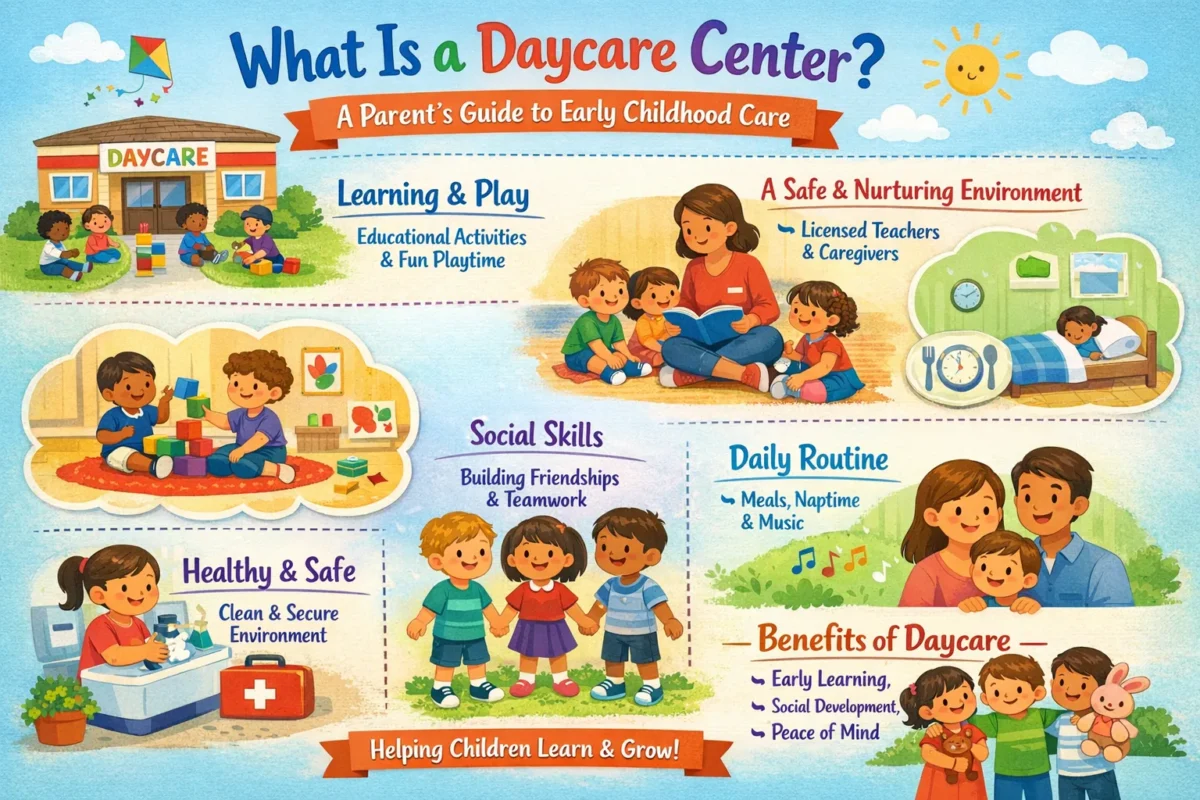
Also Read : Daycare vs Home Care: Which Is Better for Your Child?
Art Activities for Infants Four to Six Months
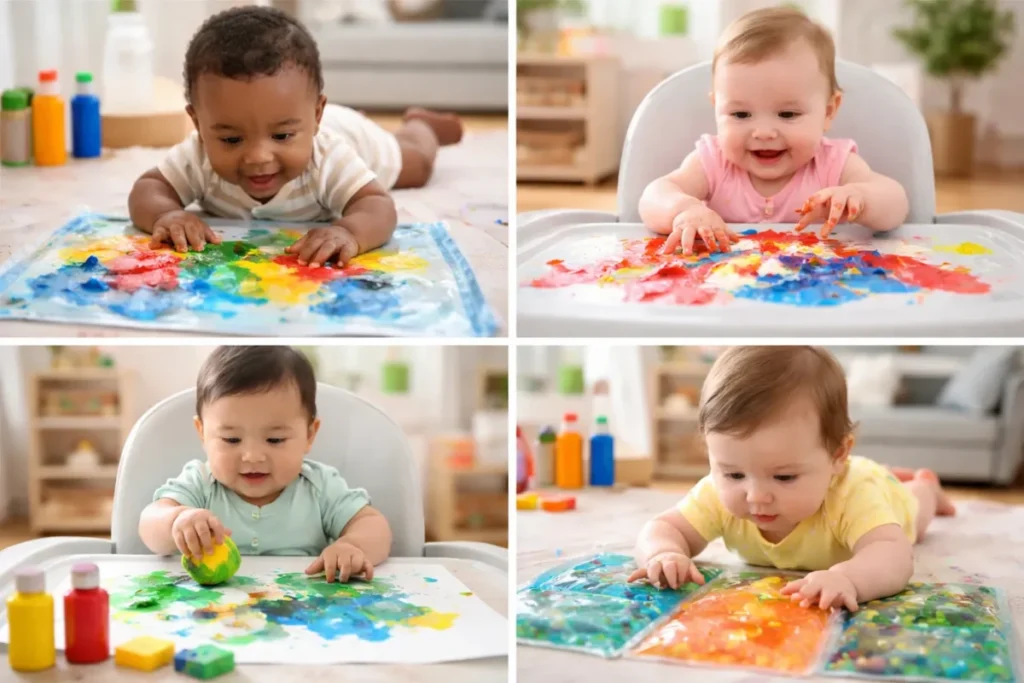
Babies in this age range develop better hand control and love to grasp objects. Sensory bags create perfect no-mess art for infants. Fill heavy-duty ziplock bags with washable paint in two or three colors. Seal the bags with strong tape and place them on a highchair tray. Your baby can squish, pat, and push the paint around while watching colors blend and swirl. This activity strengthens hand muscles and introduces cause and effect.
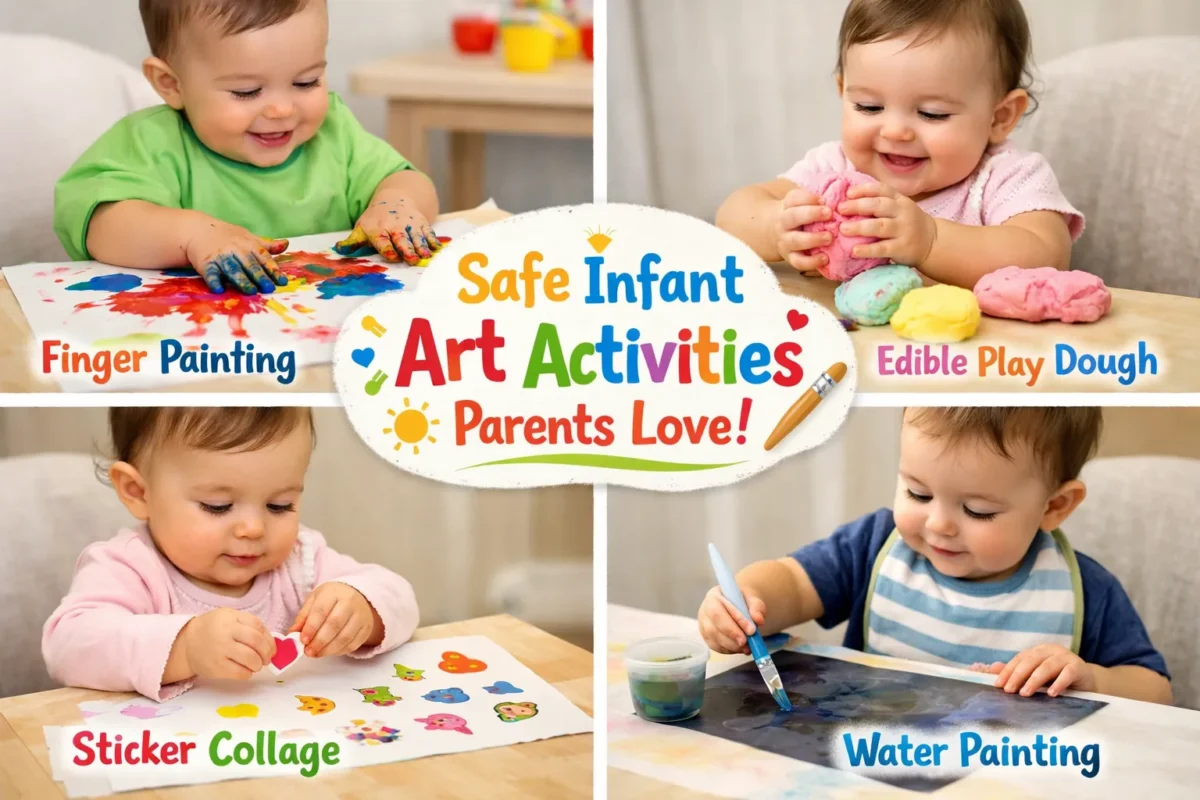
Edible finger painting works beautifully for babies who still put everything in their mouths. Mix plain yogurt with small amounts of fruit or vegetable purees to create natural colors. Place dollops on the highchair tray and let your baby smear and explore. The mess cleans up easily with a damp cloth, and you will not worry if some ends up in their mouth. You can find simple recipes for edible paint options at Homegrown Friends.
Footprint and handprint art creates keepsakes while engaging babies in sensory exploration. Use washable, non-toxic paint to coat your baby’s hands or feet. Press them gently onto paper to capture prints. These make wonderful gifts for grandparents and document how quickly your little one grows. The sensation of paint on skin provides valuable tactile input.
Creative Activities for Infants Seven to Nine Months
Sitting independently opens new possibilities for infant arts and crafts activities. Fabric collages let babies explore varied textures while creating artwork. Cut pieces of felt, fleece, corduroy, and satin into large shapes. Show your baby how to stick felt pieces to a felt board or press fabric onto contact paper (sticky side up and taped to a table). The different textures stimulate their sense of touch while developing fine motor control.
Water play transitions easily into art with infants. Fill a shallow tray with an inch of water and add a few drops of liquid watercolor or food coloring. Give your baby a thick brush or let them splash with their hands. The flowing water and spreading color fascinate babies while building hand-eye coordination. Always stay within arm’s reach during water activities.
Nature art introduces babies to the outdoor world. Collect large leaves, flower petals, grass, and smooth stones during walks. Back home, let your baby touch and examine these natural materials. You can create simple infant art by pressing items onto contact paper or making leaf prints using washable paint. Talking about what you found builds vocabulary alongside creativity.
Art Activities for Infants 6-12 Months
Babies nearing their first birthday show increased interest in tools and materials. Chunky crayons designed for small hands make great first art supplies. Look for triangular or egg-shaped crayons that babies can grasp without frustration. Tape large paper to a highchair tray or table and let your baby experiment with making marks. Celebrate their scribbles enthusiastically.
Painting with everyday objects creates engaging infant art ideas without requiring tiny fingers to hold brushes. Offer kitchen tools like spatulas, potato mashers, or sponges as painting tools. Dip them in washable paint and let your baby stamp and drag them across paper. This approach works perfectly for daycare infant art projects since multiple babies can use different tools simultaneously.
Sensory bottles combine art and science for older infants. Fill clear plastic bottles with water, oil, food coloring, and glitter or small beads. Seal the caps with strong glue. Babies love shaking these bottles and watching contents swirl and settle. These function as both art pieces and calming tools. For more infant art activities for daycare, Lillio’s blog offers excellent suggestions.
Process Art: Embracing the Mess and the Moment
Process art for infants and toddlers values experience over end results. Your baby does not care if their painting looks like anything recognizable. They care about how the paint feels on their fingers, how colors change when mixed, and what happens when they bang a brush on paper. This approach removes pressure from caregivers to create perfect projects.
Let babies guide their own creative experiences. If your infant wants to rub paint on their tray instead of paper, that is perfectly fine. If they lose interest after two minutes, respect that decision. Forcing continued participation teaches babies that art is a chore rather than a joy. Following their lead builds confidence and intrinsic motivation.
Document the process rather than just the product. Take photos of your baby’s concentrated expression while exploring textures. Save one or two finished pieces, but do not feel obligated to keep everything. Many parents photograph artwork and create digital albums, which preserves memories without cluttering homes. The real value lies in the experience you shared together.
Adapting Activities for Different Developmental Stages
Every baby develops at their own pace. Some six-month-olds sit independently and grab enthusiastically at materials. Others need more time and support. Adapt these infant craft ideas to match your child’s current abilities rather than their age.
For babies who are not yet sitting, focus on tummy time activities. Place textured mats, mirrors, or contrast cards within their view and reach. As they lift their heads and push up, they build the core strength needed for seated art activities later.
Babies who are crawling or cruising may struggle to sit still for traditional art projects. Try vertical surfaces instead. Tape large paper to walls at floor level and let your mobile baby paint while moving. Window clings offer another active option. Stick vinyl shapes or paint directly on sliding glass doors where babies can reach them.
Seasonal Art Ideas for Infants
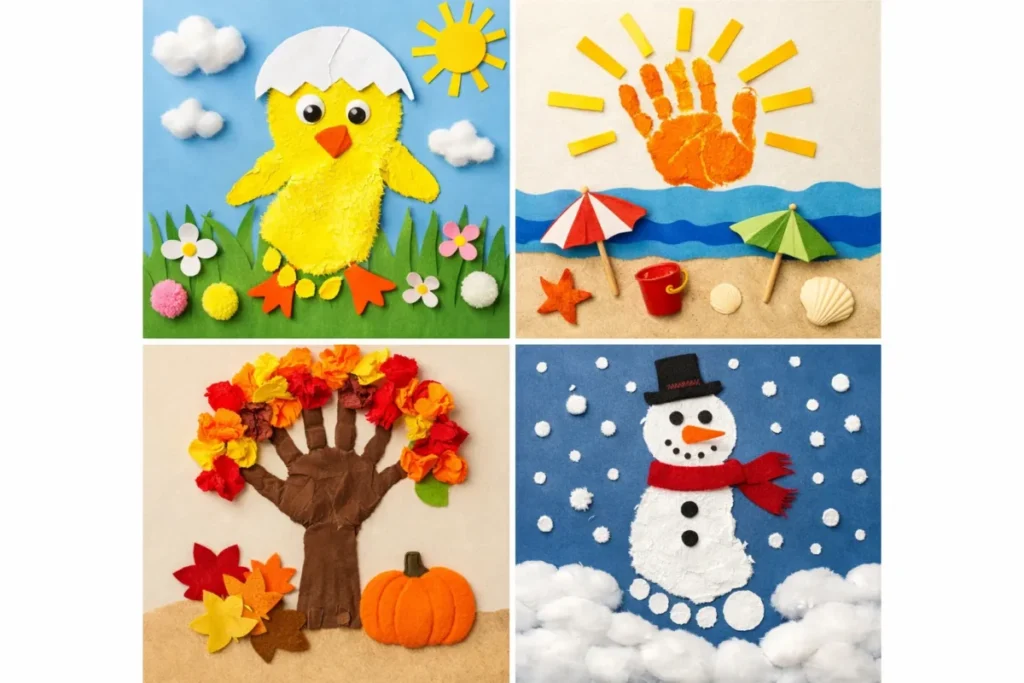
Changing activities with the seasons keeps things fresh and connects babies to the natural world. Summer infant art might include painting with ice cubes made from frozen colored water. Your baby experiences cold temperature, watches ice melt, and sees colors spread across paper simultaneously.
Fall infant art for babies can incorporate natural materials like colorful leaves, small pumpkins, or apples. Let your baby help make apple prints by dipping halved apples in paint and pressing them onto paper. The seasonal scent and interesting shape engage multiple senses. Artful Parent shares beautiful examples of introducing young children to creative experiences.
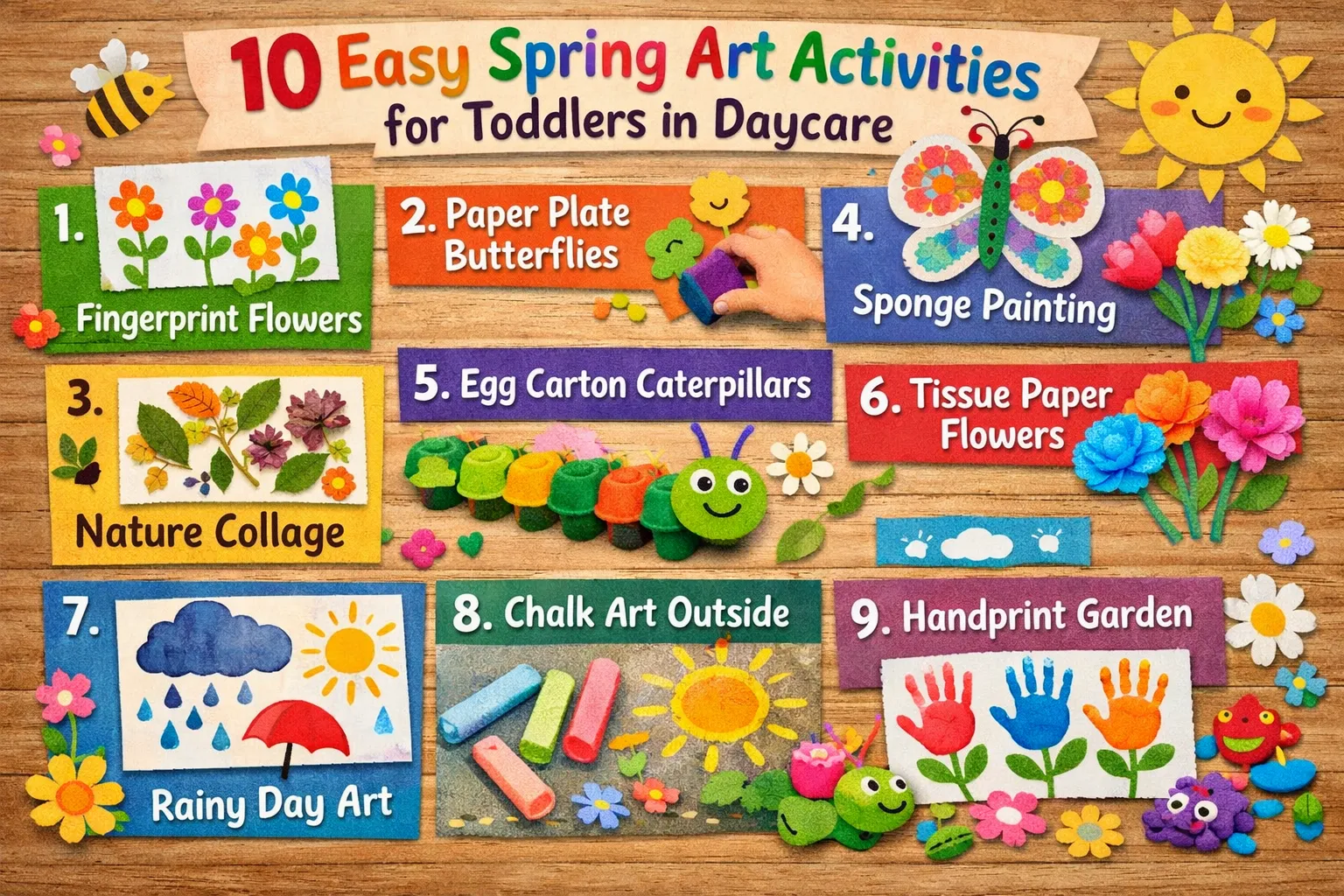
Winter brings opportunities for sensory snow play indoors. Mix shaving cream with peppermint extract for fake snow that smells wonderful. Let your baby squish and mold it on their tray. Spring art activities might include painting with flowers or rolling plastic Easter eggs through paint to create interesting patterns.
Group Art Activities for Infant Classrooms
Daycare infant crafts require careful planning to keep multiple babies safe and engaged. Collaborative murals work wonderfully for infant room art projects. Tape a long sheet of butcher paper to a low table or the floor. Set up painting stations with different colors and tools. Babies can work side by side, each exploring at their own pace while contributing to a shared creation.
Sensory tables adapted for infants provide rich group experiences. Fill a low tub with colored rice, large pasta shapes, or fabric scraps. Supervise closely as babies reach in and explore. These setups work for mixed-age groups since each child interacts according to their abilities.
Documentation panels display infant artwork alongside photos of babies creating it. This practice honors the process and shows families what their children are learning. Include brief notes about which skills each activity supports. Families love seeing their babies engaged in creative activities for infants and learning how these experiences support development.
Materials That Work Best for Baby Art
Stock your art supplies with baby-safe, easy-to-clean materials. Washable finger paints designed for young children clean up with just water. Food-based options like yogurt, pudding, or mashed sweet potatoes offer edible alternatives for babies who still mouth everything.
Thick paper holds up better than thin sheets when babies pound and smear. Cardstock, poster board, or even flattened cardboard boxes work well. Laminating finished pieces or sealing them with clear contact paper makes them durable enough to handle and display.
Natural materials add variety without cost. Pinecones, shells, stones, feathers, and leaves cost nothing and provide rich sensory input. Always wash natural items before use and check for sharp edges or small parts that could pose choking hazards.
Building a Creative Routine with Your Infant
Incorporating art into daily routines helps babies know what to expect. Many caregivers find that afternoon art sessions work well after naps when babies feel refreshed and alert. Others prefer morning activities before babies get hungry or tired.
You do not need elaborate setups or expensive materials to support creativity. Simple infant craft ideas using household items work just as well as store-bought kits. Cardboard tubes, plastic containers, bubble wrap, and aluminum foil all become art supplies in the hands of an infant.
Start with short sessions and build gradually as your baby’s attention span grows. Five minutes of painting might be perfect for a four-month-old, while an eleven-month-old might engage for twenty minutes. Follow your baby’s cues and end on a positive note before frustration sets in.
The Long-Term Benefits of Early Art Experiences
Research on painting for babies development shows that early creative experiences support multiple areas of growth. Fine motor skills strengthen as babies grasp crayons, squeeze paint bottles, and tear paper. Hand-eye coordination improves when they try to make marks in specific spots or stack materials.
Cognitive development accelerates through art activities for toddlers and infants. Babies learn about colors, textures, and cause-and-effect relationships. They experiment with problems like how to make paint spread or how to pick up a slippery piece of fabric. These thinking skills transfer to other areas of learning.
Social-emotional growth happens when caregivers participate enthusiastically in creative activities for babies. Your positive attention teaches babies that their efforts matter. Celebrating their exploration rather than critiquing their output builds healthy self-esteem that lasts well beyond infancy.
Making Art Accessible for All Babies
Adapt activities for babies with different abilities and needs. Babies with visual impairments benefit especially from textured materials and scented paints. Those with hearing differences enjoy watching color changes and feeling vibrations when they tap materials.
Babies with physical challenges may need positioning support or adaptive tools. Strap crayons to palms with soft bands if grasp is difficult. Position babies comfortably with pillows or specialized seats so they can access materials. The goal is participation and exploration, not perfection.
Cultural responsiveness matters even with the youngest children. Include art materials and images that reflect diverse families and traditions. Offer paint colors that match various skin tones. These small choices communicate that all babies belong in creative spaces.
Conclusion
Art activities transform ordinary moments into opportunities for growth, connection, and joy. The best infant art projects engage the senses, follow babies’ natural curiosity, and value exploration over finished products. Whether you try edible finger painting, sensory bags, or simple fabric collages, you provide experiences that shape your baby’s developing brain.
Start with materials you already have at home. Watch your baby’s reactions and adjust based on what captures their interest. Remember that mess is part of learning and that the process matters far more than the product. These early creative experiences plant seeds that will grow into lifelong confidence, curiosity, and creativity.
Your baby does not need expensive supplies or Pinterest-perfect setups. They need safe materials, your presence, and freedom to explore. Those three ingredients create perfect conditions for art that truly supports infant development.