You’re standing at a crossroads. Your little one turns three next month, and every parent at the playground seems to have opinions about preschool. Some swear by it. Others say kids learn just fine at home. The pressure builds, and you just want the truth: does your child actually need preschool?
Here’s what you’ll discover in this guide. We’ll break down the legal requirements (spoiler: they might surprise you), explore what preschool really offers beyond alphabet songs, and help you determine if early education fits your family’s unique situation. No guilt trips. Just clear information to help you decide confidently.
Is Preschool Legally Required?
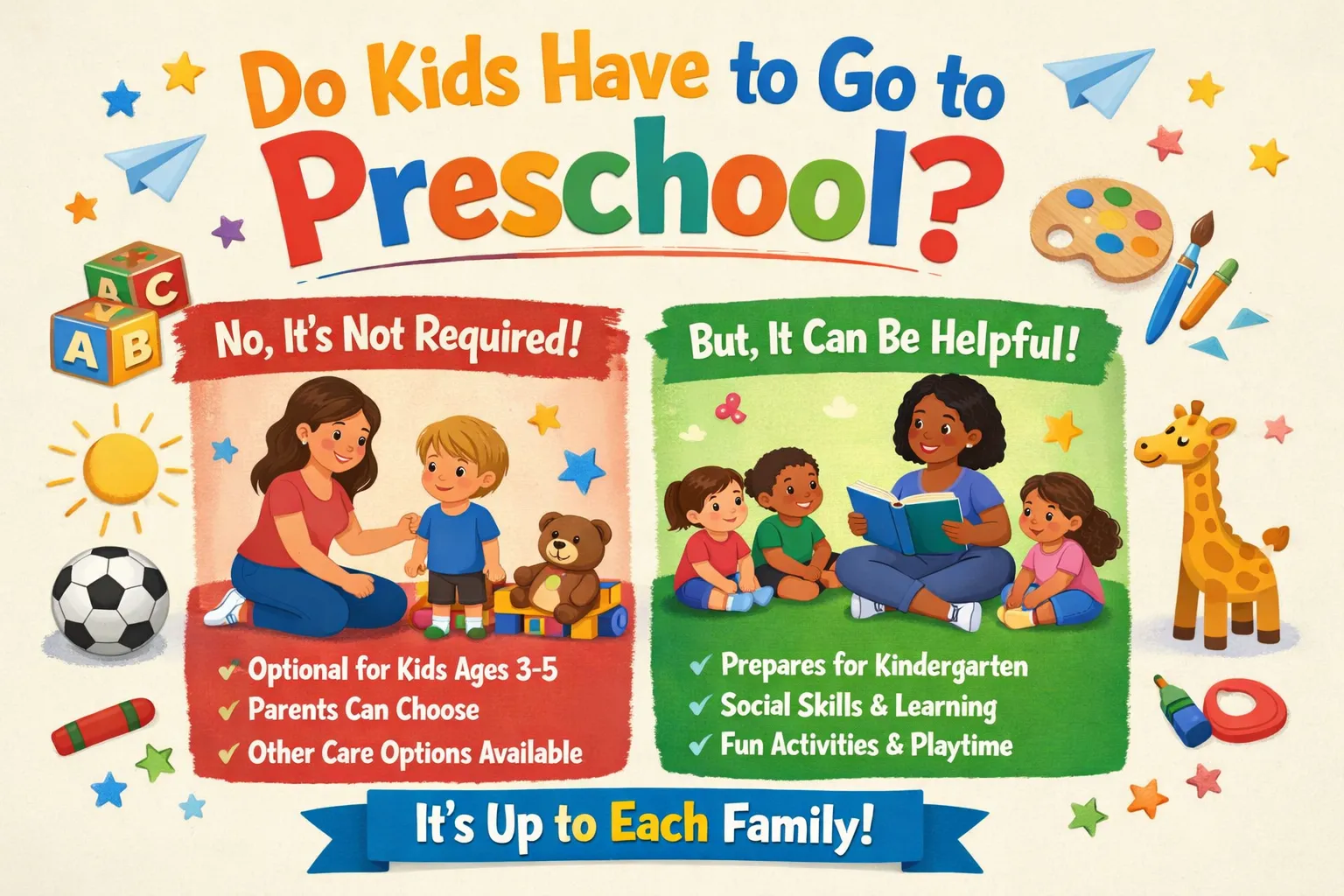
Let’s settle this immediately. Preschool is not mandatory in any U.S. state. Kindergarten marks the starting point for compulsory education in most places, but even that has exceptions.
Each state sets its own rules. Most require children to turn five by a specific date (often September 1st) to enroll in kindergarten. But preschool? That remains entirely a family choice.
Parents hold the decision-making power here. You can send your three-year-old to a structured program, keep them home, hire a nanny, or choose a daycare setting. The law doesn’t dictate this stage of childhood education. What matters most is finding an environment where your child thrives during these formative years.
👉 Also Read : Why After School Daycare Is the Solution Busy Parents Need
Understanding Kindergarten Requirements By State
Different states enforce different age cutoffs for kindergarten enrollment. California requires children to reach age five by September 1st. New York extends this to December 1st. Connecticut uses January 1st as the benchmark.
These dates matter because they influence when families consider preschool enrollment. A child with a late birthday might benefit from an extra year of preparation before starting kindergarten.
Most states now offer public kindergarten programs, making this grade level accessible to all families. However, attendance requirements vary. Some states mandate kindergarten participation while others leave it optional. Check your local school district’s specific policies to understand what applies to your situation.
Age Requirements Across Major States
Arizona mandates that children turn five by September 1st for kindergarten eligibility. Texas uses the same cutoff date. Florida’s requirement also falls on September 1st.
Northern states show more variation. Illinois requires children to be five by September 1st. Michigan pushes this to September 1st as well. Pennsylvania uses September 1st as its standard.
Western states maintain their own timelines. Oregon sets August 31st as the cutoff. Washington requires children to reach five by August 31st. Nevada uses September 30th, giving families slightly more flexibility.
These differences might seem minor, but they create significant impacts on family planning and educational decisions.
The Difference Between Preschool and Daycare
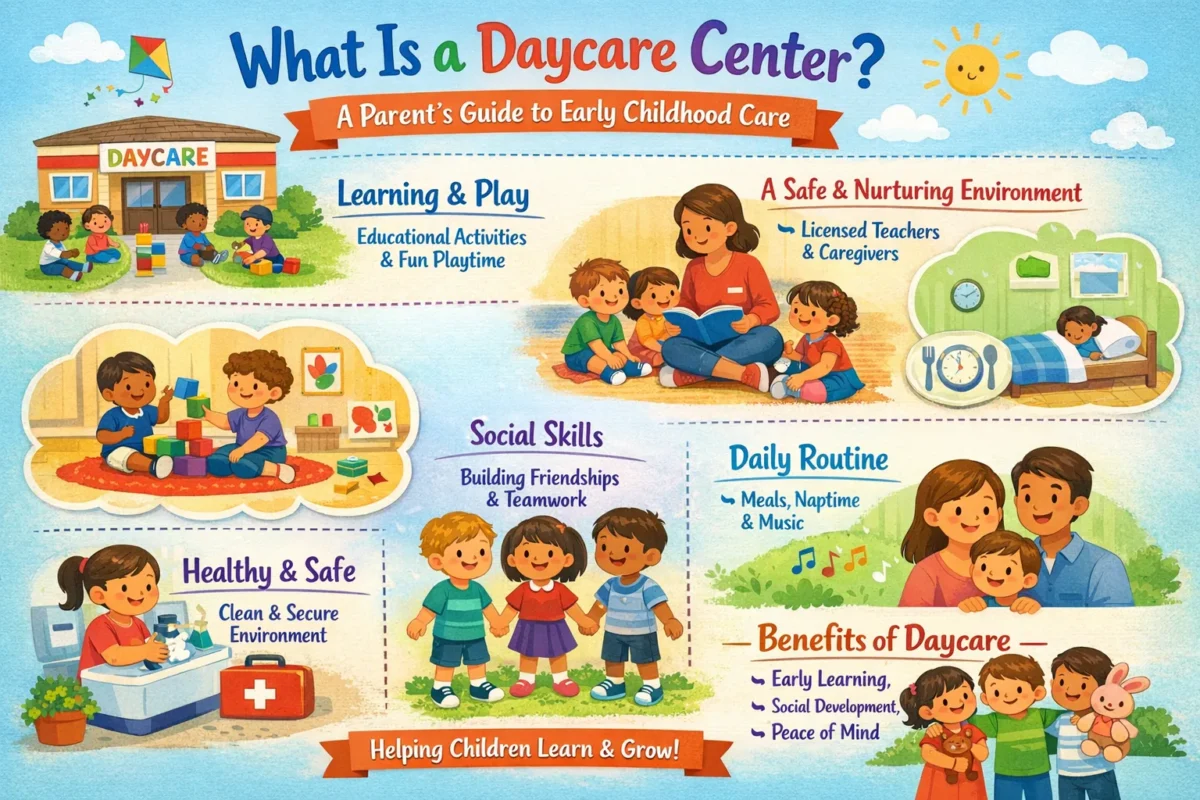
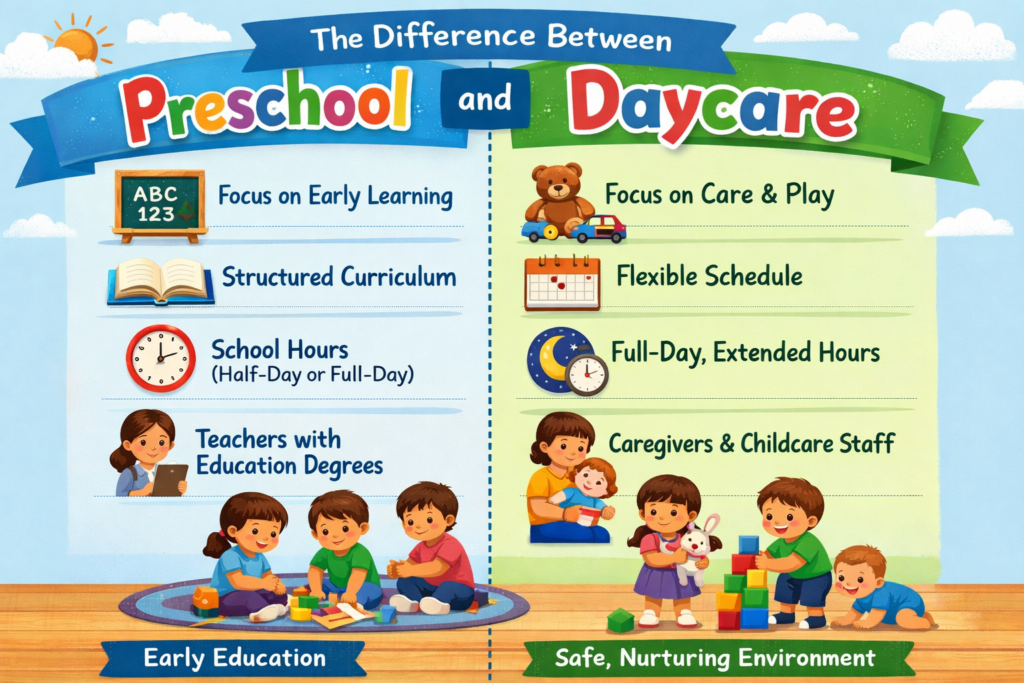
Many parents use these terms interchangeably, but they serve distinct purposes. Daycare primarily provides supervision and care while parents work. Children play, eat, nap, and engage in basic activities. The focus stays on keeping kids safe and occupied.
Preschool emphasizes structured learning and school readiness. Teachers follow curricula designed to develop specific skills. Children learn letter recognition, counting, shapes, and colors through intentional activities. The environment prepares them for kindergarten’s academic demands.
Both options offer socialization opportunities. Kids interact with peers and learn to share, take turns, and resolve conflicts. However, preschool typically provides more guided social-emotional learning experiences.
Many facilities now blend both approaches, offering extended care hours with preschool programming during core hours. This hybrid model serves working families who need full-day coverage but want educational enrichment for their children.
👉 Also Read : What is the Best Activity for a 4 Year Old?
What Children Actually Learn in Preschool
Academic foundations form just one piece of the preschool puzzle. Children develop pre-reading skills by recognizing letters and understanding that symbols carry meaning. They practice writing by tracing shapes and eventually forming letters. Math concepts emerge through counting objects, recognizing numbers, and comparing quantities.
Science exploration happens naturally at this age. Kids observe plants growing, experiment with water and sand, and learn about weather patterns. These hands-on experiences build curiosity and teach basic scientific thinking.
Social-emotional development might matter even more than academics. Children learn to separate from parents, follow classroom routines, and work within a group structure. They practice sharing materials, waiting their turn, and expressing feelings with words instead of actions.
Physical development receives attention through outdoor play, fine motor activities, and movement exercises. Kids strengthen hand muscles through cutting, drawing, and manipulating small objects—skills they’ll need for writing later.
Self-help abilities grow significantly during the preschool years. Children learn to use the bathroom independently, wash their hands, put on coats, and clean up after themselves. These practical life skills boost confidence and independence.
Signs Your Child Might Be Ready For Preschool
Age alone doesn’t determine readiness. Some three-year-olds thrive in structured settings while others need more time at home. Watch for these developmental markers that suggest readiness.
Your child can communicate basic needs effectively. They tell you when they’re hungry, tired, or need to use the bathroom. Clear communication prevents frustration and helps teachers meet their needs appropriately.
They show interest in playing with other children. Solo play is normal for toddlers, but preschool-ready kids seek out peers and engage in simple cooperative activities. They understand basic concepts like taking turns, even if they don’t always want to follow through.
Separation from parents happens without extreme distress. Brief protests are normal, but children ready for preschool can comfort themselves and engage with caregivers within a reasonable timeframe.
Your child demonstrates some independence with self-care tasks. They attempt to dress themselves, use utensils at meals, and participate in cleanup activities. Perfection isn’t required—effort and interest matter most.
They follow simple two-step directions like “get your shoes and bring them here.” This ability shows cognitive development necessary for classroom participation.
Benefits of Preschool Education
Research consistently shows advantages for children who attend quality preschool programs. Kids enter kindergarten with stronger literacy and math skills compared to peers who stayed home. They recognize more letters, count higher, and understand basic concepts like same and different.
Academic gains persist beyond kindergarten. Studies tracking children through elementary school reveal sustained benefits in reading and math achievement. The early foundation created in preschool continues supporting learning in later grades.
Social competence develops more quickly in preschool environments. Children learn to navigate friendships, resolve disagreements, and work cooperatively toward shared goals. These interpersonal skills prove just as important as academic knowledge for long-term success.
Executive function skills—planning, focus, self-control—strengthen through structured preschool activities. Kids practice paying attention during circle time, following multi-step instructions, and managing their impulses in group settings.
School readiness extends beyond academics to include understanding classroom routines, respecting authority figures, and participating appropriately in group activities. Children who attend preschool typically adjust to kindergarten more smoothly because the environment feels familiar.
When Preschool Might Not Be Necessary
Not every family needs preschool to prepare their child for success. Stay-at-home parents who actively engage their children in learning activities often provide rich educational experiences at home. Reading together daily, visiting libraries and museums, and engaging in conversations build strong foundations.
Quality alternative care arrangements work well for some families. Experienced nannies or family members who intentionally teach skills and facilitate peer interaction can meet developmental needs effectively.
Financial constraints make preschool prohibitive for many families. The investment can exceed several hundred dollars monthly, and this cost doesn’t fit every budget. Fortunately, free resources like library story times, park district programs, and online learning activities offer accessible alternatives.
Some children simply aren’t developmentally ready for group settings at age three or four. Kids who become overwhelmed by noise and activity or who need substantial one-on-one attention might benefit more from staying home longer.
Children with special needs often need individualized support that mainstream preschools cannot offer. Families choose therapeutic services, specialized programs, or home-based interventions to meet their child’s specific needs and support their development effectively.
How To Choose The Right Preschool Program
Start by identifying your priorities. Do you value academic preparation, creative expression, outdoor time, or faith-based education? Different programs emphasize different aspects of early childhood development. Understanding what matters most to your family narrows your options.
Visit multiple schools before deciding. Walk through classrooms during operating hours. Observe teacher interactions with children. Notice whether kids seem engaged and happy. Trust your gut reaction to the environment.
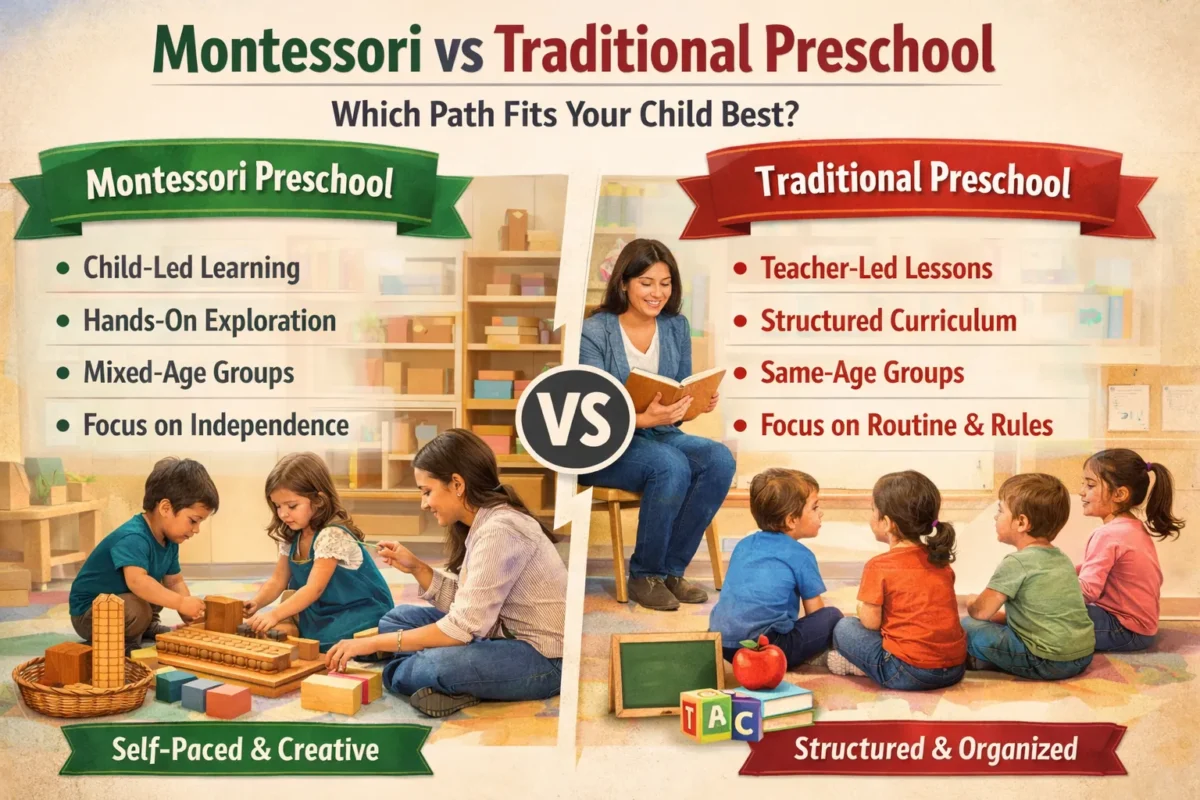
Ask about curriculum and teaching philosophy. Some programs follow specific approaches like Montessori or Reggio Emilia. Others use play-based or academic-focused models. Understanding the educational framework helps you determine alignment with your values.
Inquire about teacher qualifications and staff turnover. Experienced, educated teachers create higher-quality learning environments. Stable staffing means your child builds consistent relationships with caregivers.
Look for clean facilities, secure outdoor play areas, and clear policies about illness, medications, and emergency procedures.
Consider logistics like location, hours, and cost. The perfect program doesn’t help if you can’t afford it or can’t manage drop-off and pick-up consistently.
Preparing Your Child For Their First Day
Build excitement without creating anxiety. Talk positively about preschool in the weeks leading up to the start date. Read books about starting school and discuss what to expect. Keep explanations simple and upbeat.
Establish routines that match the school schedule. Practice waking up earlier if needed. Work on self-help skills like using the toilet independently, washing hands, and putting on shoes. The more capable your child feels, the more confident they’ll be.
Visit the school together before the first day if possible. Walk around the classroom, meet the teachers, and let your child explore the space. Familiarity reduces first-day jitters.
Create a goodbye ritual that stays consistent. Maybe you share a special hug, do a secret handshake, or blow kisses. This predictable routine helps your child feel secure during transitions.
Stay calm during drop-off even if your child protests. Teachers handle separation anxiety regularly and have strategies to help. Long, emotional goodbyes often make things harder. Keep it brief, positive, and confident.
Pack comfort items if the school allows. A family photo, small stuffed animal, or special blanket can provide reassurance during difficult moments.
Alternative Options To Traditional Preschool
Cooperative preschools offer affordable options where parents participate directly in classroom activities. You’ll spend designated hours helping teachers, which reduces tuition costs. This model builds strong parent communities and gives you insight into your child’s daily experiences.
Home-based preschools operate out of someone’s residence with smaller group sizes. These intimate settings suit children who thrive in quieter, more familiar environments. Costs typically run lower than center-based programs.
Public school pre-K programs serve children during the year before kindergarten and usually provide tuition-free enrollment. Schools set eligibility rules based on family income or special needs, while some districts offer universal pre-K to every family.
Online preschool programs have expanded recently, providing structured learning at home. While not ideal for socialization, they work for families in remote areas or those with specific scheduling needs.
Community organizations, libraries, and parks departments frequently offer short-term enrichment programs. These weekly classes cover topics like art, music, or STEM activities, supplementing home learning without full-time enrollment commitments.
Playgroups with neighborhood families create informal learning opportunities. Rotating hosting duties and planning simple activities together gives children peer interaction and parents adult conversation.
Making the Decision That Fits Your Family
No universal answer exists for whether kids need preschool. Your family’s circumstances, your child’s temperament, and your educational values all factor into this decision. Some children flourish in structured group settings while others thrive with more individualized attention at home.
Consider your work situation honestly. If you need childcare regardless, a quality preschool program serves double duty by providing both care and education. Stay-at-home parents have more flexibility to choose based purely on educational considerations.
Evaluate your child’s personality and needs. Social butterflies who crave peer interaction might benefit immensely from preschool. Quiet observers who need longer warm-up periods might feel overwhelmed by large groups.
Think about your own strengths and limitations. If you enjoy planning activities and teaching your child, home-based learning might work beautifully. If you feel unsure about how to provide structured learning experiences, a preschool program offers expertise and resources.
Trust yourself to make the right choice for your situation. You know your child and family better than anyone else. Whether you choose preschool or not, what matters most is providing a loving environment where your child can learn and grow.
Maximizing Learning At Home Without Preschool
Create structured routines that include learning time. Set aside periods for reading, creative activities, and outdoor play. Predictable schedules help children feel secure and develop good habits.
Build a home library with age-appropriate books. Read together multiple times daily. Discuss pictures, ask questions, and let your child retell stories. This practice builds vocabulary, comprehension, and love of reading.
Incorporate learning into everyday activities. Count stairs as you climb them. Identify colors during grocery shopping. Sort laundry by type or size. These practical experiences teach concepts naturally within familiar contexts.
Facilitate peer interaction through playdates, park visits, and community activities. Social skills develop through regular practice with other children. Structure these opportunities to include sharing, turn-taking, and cooperative play.
Use free educational resources abundantly available online and in communities. Public libraries offer story times and activity programs. PBS Kids and similar platforms provide quality educational content. Museums often have free or discounted admission days.
Engage your child in real-world projects that build skills. Plant a garden together, cook simple recipes, build with blocks, or create art. Hands-on learning creates lasting understanding better than worksheets ever could.
What Research Says About Early Education
Decades of studies confirm that quality early education produces measurable benefits. The High/Scope Perry Preschool Study tracked participants for over 40 years, finding that those who attended preschool had higher earnings, graduation rates, and life stability compared to those who didn’t.
Brain development happens rapidly during the preschool years. Neural connections form at extraordinary rates between ages three and five. Enriched environments that provide stimulation, interaction, and learning opportunities physically shape brain architecture.
However, research also emphasizes that quality matters tremendously. Not all preschool programs produce positive outcomes. Programs with trained teachers, low child-to-adult ratios, and developmentally appropriate curricula show the strongest results.
Home environments rich with books, conversation, and engaged parents also produce excellent outcomes. The key factor isn’t necessarily the setting but rather the presence of intentional learning opportunities and responsive relationships.
Children from disadvantaged backgrounds show the largest gains from preschool attendance. These programs help close achievement gaps that exist before kindergarten even begins. For middle-class families with involved parents, the benefits appear more modest but still meaningful.
Common Questions Parents Ask About Preschool
Is my child too young for preschool at age 3?
No universal answer exists. Some three-year-olds show readiness signs like communication skills, interest in peers, and basic independence. Others need more time to develop these abilities before succeeding in group settings.
How many days per week should my child attend?
Start with two or three days if you’re uncertain. This schedule provides structure and socialization without overwhelming your child. Many families find this balance ideal for first-time preschoolers who need gradual adjustment.
Will preschool make my child sick more often?
Increased illness exposure happens initially as immune systems encounter new germs. Most children experience frequent colds during their first year in group care. However, this exposure might actually strengthen immunity over time.
Can I enroll my child mid-year?
Many programs accept rolling admissions and can accommodate mid-year starts. This flexibility helps families who move, change work schedules, or determine their child has become ready. Contact schools directly to ask about availability.
What if my child struggles with separation anxiety?
Most children adjust within a few weeks as they realize their parent always returns. Teachers use specific strategies to ease transitions. Consistency helps more than anything—sporadic attendance prolongs the adjustment period.
The Bottom Line on Preschool Necessity
Your child doesn’t legally need preschool, but the experience offers valuable benefits for many families. Quality early education supports school readiness, develops social skills, and creates strong learning foundations. However, engaged parents can certainly prepare their children effectively at home.
The decision depends on multiple factors including your work schedule, financial resources, child’s temperament, and educational goals. Neither choice guarantees success or failure. What matters most is providing your child with rich learning experiences, loving relationships, and opportunities to develop at their own pace.
Trust your instincts, do what works for your family, and remember that you’re the expert on your own child. Whether you choose preschool, home-based learning, or something in between, your involvement and support matter more than any specific program or setting.
FAQ: Preschool Attendance Questions
Is preschool legally required before kindergarten?
No. Preschool remains optional in every U.S. state. Only kindergarten and beyond fall under compulsory education laws, though specific age requirements vary by state. Families choose preschool based on personal circumstances and preferences.
At what age should children start preschool?
Most programs accept children between ages three and five. Readiness depends more on developmental milestones than chronological age. Look for communication skills, interest in peers, and basic self-help abilities when determining timing.
Does skipping preschool hurt kindergarten readiness?
Not necessarily. Children with engaged parents who provide learning experiences at home often enter kindergarten well-prepared. The key is ensuring your child develops pre-academic skills, social abilities, and independence through whatever arrangement you choose.
How do I choose between preschool and staying home?
Consider your work needs, child’s personality, family budget, and ability to provide structured learning at home. Visit potential schools, evaluate your child’s readiness, and choose what aligns with your family’s unique situation and values.