You stand at a crossroads every parent knows too well. Your little one needs care while you work, but the options feel overwhelming. Do you choose a structured daycare center buzzing with activity? Or do you lean toward the cozy familiarity of home care?
This decision shapes your child’s early years. It affects their development, your budget, and your peace of mind. Let’s cut through the noise and explore what each option truly offers your family.
Understanding Your Childcare Options
Parents face multiple paths when selecting care for their children. Each comes with distinct advantages and challenges.
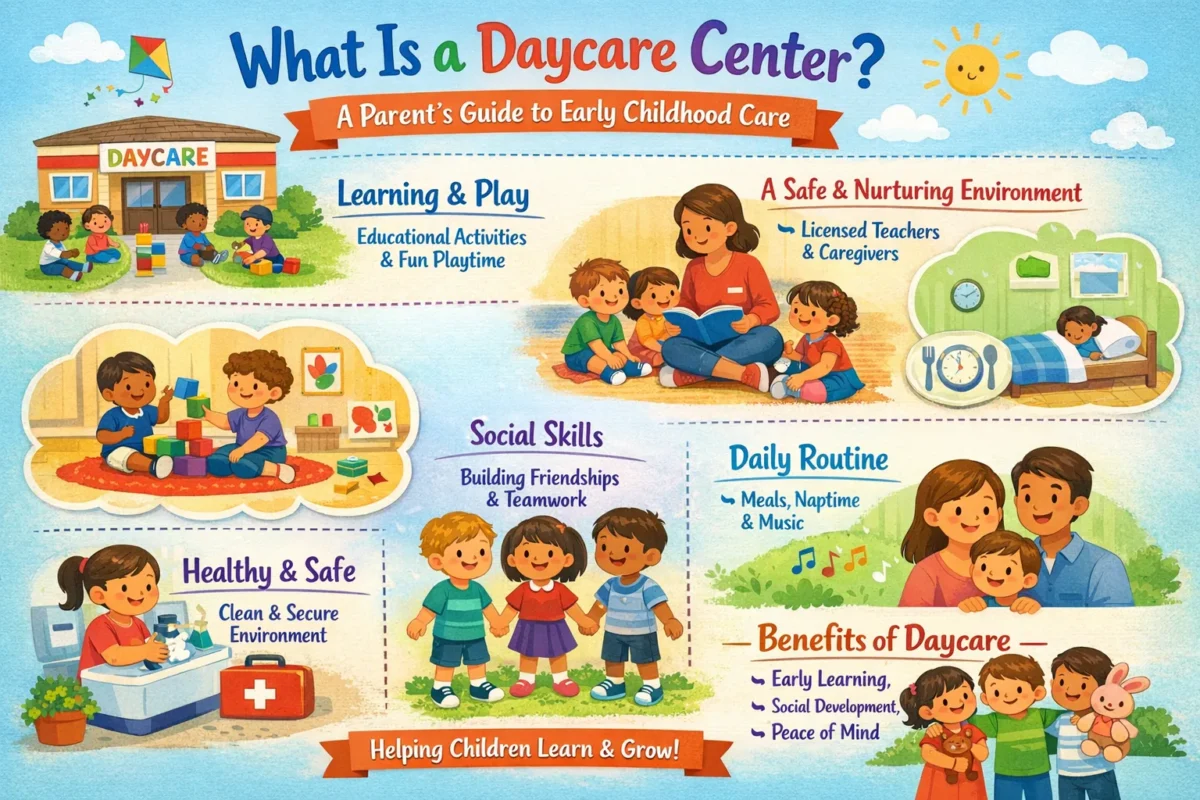
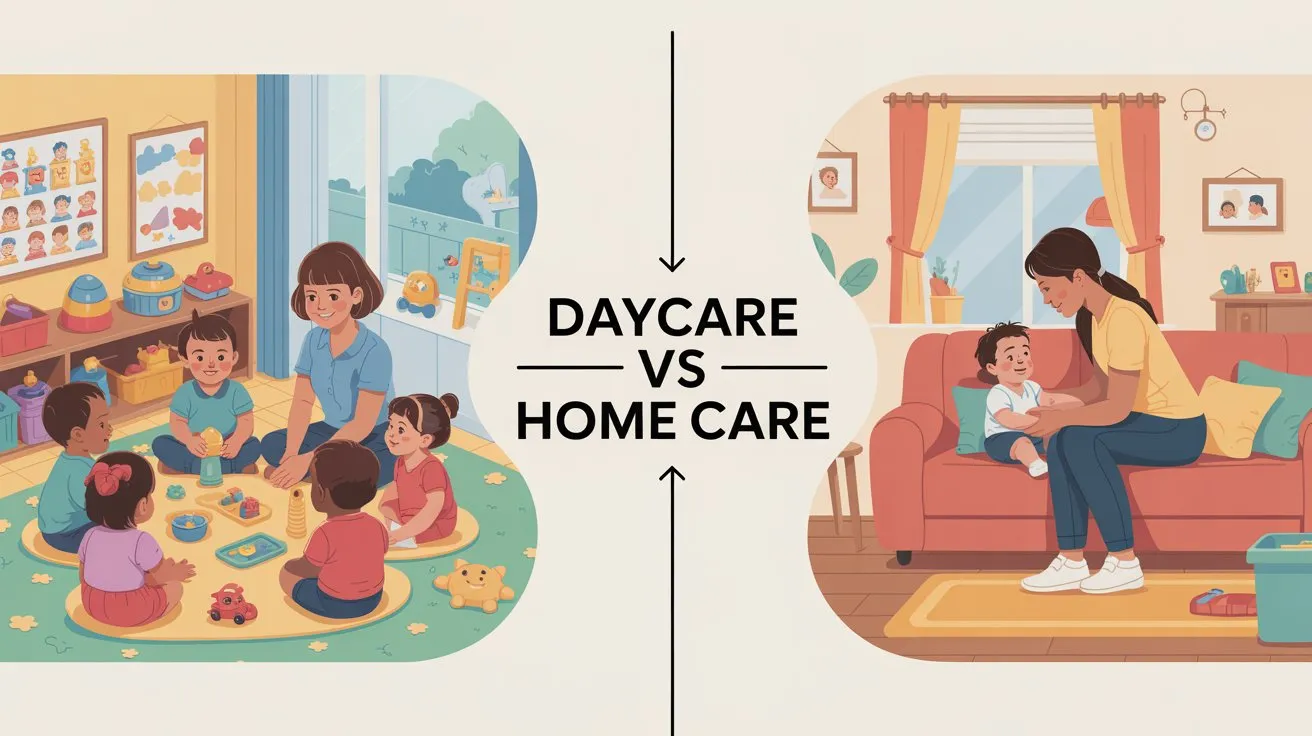
Daycare centers operate as licensed facilities. They employ multiple caregivers, follow state regulations, and typically serve larger groups of children organized by age.
Home care happens in smaller settings. A caregiver watches children in their own home or yours. The group size stays intimate, often just a handful of kids.
Nannies and au pairs provide one-on-one attention. They work exclusively with your family, either living in your home or commuting daily.
Understanding these childcare options for parents sets the foundation for making an informed choice.
The Daycare Advantage: Structure and Socialization
Early Learning Opportunities
Daycare centers build their programs around educational goals. Children engage in planned activities that target specific developmental milestones.
Your toddler learns letters through games. They explore numbers during circle time. Art projects strengthen fine motor skills while music sessions develop rhythm and coordination.
Many centers employ teachers with degrees in early childhood education daycare programs. These professionals understand child development deeply. They create curriculum that challenges kids at the right level.
Social Skills That Last a Lifetime
Watch children in daycare and you’ll see constant interaction. They negotiate toy sharing. They form friendships. They learn to navigate conflicts with peers.
This social development in daycare accelerates faster than home environments typically allow. Your child practices communication daily with diverse personalities. They discover empathy when a friend feels sad. They build confidence presenting ideas to a group.
Research from the National Institute of Child Health and Human Development shows that quality daycare programs boost cognitive and social skills. Children who attend centers often enter kindergarten with stronger peer relationship abilities.
Structured Daily Routines
Daycare follows predictable schedules. Snack time happens at 10 AM. Outdoor play starts at 11 AM. Nap time begins promptly at 1 PM.
This consistency helps children feel secure. They know what comes next. The routine builds self-regulation skills they’ll use throughout life.
Health and Safety Standards
Licensed centers meet strict regulations. Staff members pass background checks. Facilities undergo regular inspections. Emergency procedures stay current.
Teachers receive training in CPR and first aid. They follow protocols for illness prevention. The environment maintains hygiene standards that reduce disease transmission.
Home Care Benefits: Intimacy and Flexibility
Personalized Attention and Bonding
Home care providers watch fewer children. Your child receives more one-on-one time. The caregiver notices subtle mood changes. They adapt activities to your child’s interests that specific day.
This intimacy creates strong bonds. Your toddler forms a secure attachment with their caregiver. They feel valued and seen in ways larger groups can’t always provide.
Flexible Scheduling Options
Need care at 6 AM? Working irregular shifts? Home care providers often accommodate non-traditional schedules that centers can’t match.
They adjust nap times to align with your baby’s natural rhythm. They modify routines when your child feels under the weather. This flexibility reduces parental stress significantly.
Comfortable, Home-Like Environment
Children spend their day in a residential setting. The atmosphere feels relaxed and familiar. They play in living rooms, not institutional spaces.
This comfort level particularly benefits younger children or those with anxiety. The home environment feels safe and predictable. Transitions from your home to their care setting become smoother.
Lower Exposure to Illness
Smaller groups mean fewer germs circulating. Your child encounters fewer potential infections than in larger centers.
When illness does strike, recovery often happens faster. The quiet environment supports healing better than busy centers can provide.
The Daycare vs Home Care Comparison: Key Factors
Cost Considerations Break Down Differently
The cost of daycare vs home care varies widely by location and quality level.
Daycare centers typically charge:
- $200-$1,500 per week depending on your area
- Lower rates often mean larger classroom ratios
- Additional fees for late pickup or special programs
Home care pricing ranges from:
- $150-$1,200 per week for family daycare
- $300-$800 per week for nannies (shared costs possible)
- Sometimes includes meals and supplies
Urban areas see higher rates across the board. Calculate your total childcare budget including transportation, meals, and supplies before deciding.
Teacher-to-Child Ratios Matter
Daycare centers follow state-mandated ratios:
- Infants: 1 teacher per 3-4 babies
- Toddlers: 1 teacher per 4-6 children
- Preschoolers: 1 teacher per 8-10 kids
Home care typically maintains:
- 1 provider per 4-6 children maximum
- Often just 2-3 children in practice
- Nannies offer 1:1 or 1:2 ratios
Lower ratios mean more attention but don’t automatically guarantee better care. Provider quality trumps numbers every time.
Educational Programming Depth
Daycare centers offer structured curriculum. They follow educational frameworks. They track developmental progress formally.
Home care provides learning through daily activities. Providers read books, explore nature, and encourage creative play. The approach feels more organic but less systematic.
Consider your priorities. Do you value formal academic preparation? Or do you prefer experiential learning through natural exploration?
Backup Care Arrangements
Daycare centers stay open when individual teachers call in sick. They have substitute staff ready. Your work schedule stays intact.
Home care providers work alone. When they’re sick or take vacation, you need backup plans. This reality stresses many working parents.
Daycare or Home Care for Toddlers: Age-Specific Considerations
Infants Need Different Care Than Preschoolers
For babies under 12 months: Home care often wins. Infants need consistent caregivers who recognize their unique cues. The intimate setting supports attachment formation. Lower germ exposure protects vulnerable immune systems.
For toddlers 1-3 years: Both options work well. Consider your child’s temperament. Outgoing toddlers thrive in daycare’s social environment. Sensitive children may prefer home care’s quieter atmosphere.
For preschoolers 3-5 years: Daycare centers shine here. Children crave peer interaction. They benefit from structured pre-kindergarten programs. The daycare benefits for children this age include school readiness skills.
Temperament Guides Your Choice
Observe your child carefully. Do they light up around other kids? Do loud environments excite or overwhelm them?
Bold, social children often flourish in daycare. They need the stimulation and peer interaction. Shy or sensitive kids might do better starting in home care before transitioning to centers.
Neither choice damages development. Match the environment to your child’s personality and watch them thrive.
Making Your Decision: Practical Steps Forward
Visit Multiple Options in Person
Schedule tours at three daycare centers and two home care providers minimum. Arrive unannounced if possible. Observe:
- How caregivers interact with children
- Cleanliness and safety of the space
- Children’s engagement levels
- Staff-to-child ratios in practice
Trust your instincts. If something feels off, keep looking.
Ask These Critical Questions
For daycare centers:
- What’s your teacher turnover rate?
- How do you handle discipline?
- What curriculum do you follow?
- How do you communicate with parents daily?
For home care providers:
- What’s your backup plan if you’re sick?
- How many children do you care for?
- What activities fill a typical day?
- Can I see your license and references?
Consider Your Whole Family’s Needs
Choosing childcare isn’t just about your child. Factor in:
- Your work schedule flexibility
- Your budget constraints
- Your commute patterns
- Your backup support system
The “perfect” option on paper fails if it doesn’t work with your real life. Choose what your family can sustain long-term.
Trial Periods Reveal Reality
Start with a short-term commitment. Most centers allow monthly enrollment initially. Home care providers often agree to trial periods.
Watch your child’s response after two weeks. Do they seem happy? Are they eating and sleeping well? Do they talk positively about their day?
Give changes time to settle, but trust concerning patterns. Your child’s well-being matters most.
The Pros and Cons of Daycare and Home Care at a Glance
Daycare Strengths:
- Structured educational programming
- Consistent peer socialization
- Regulated safety standards
- Reliable backup staffing
- School readiness preparation
Daycare Challenges:
- Higher illness exposure
- Less scheduling flexibility
- Potentially overwhelming for sensitive children
- Higher costs in many areas
- Less individual attention
Home Care Strengths:
- Intimate, personalized attention
- Flexible scheduling options
- Lower illness rates
- Comfortable environment
- Strong caregiver bonds
Home Care Challenges:
- Limited peer interaction
- Less structured curriculum
- Backup care falls on parents
- Fewer regulatory protections
- Variable caregiver qualifications
The Hybrid Approach: Best of Both Worlds
You don’t face an all-or-nothing choice. Many families combine options successfully.
Start your infant in home care. Transition to a daycare center at age three. This approach provides early intimacy with later socialization benefits.
Use part-time daycare for social interaction. Keep home care for remaining hours. Your child gains peer experiences without full-time center exposure.
Hire a nanny-share with another family. Split costs while your children gain a built-in playmate. This middle ground offers personalized attention with social benefits.
Flexibility beats rigid thinking. Design a childcare solution that fits your unique situation.
Your Child Thrives With the Right Fit
No universal “better” option exists in the daycare center vs home daycare debate. The right choice depends on your child’s personality, your family’s circumstances, and your values.
Trust yourself. You know your child better than any expert. You understand your family’s needs intimately.
Visit facilities. Ask questions. Observe carefully. Then make your decision with confidence.
Your child will flourish not because you chose daycare or home care, but because you chose thoughtfully and with love.
Moving Forward With Confidence
Start your search today. Contact three options by week’s end. Schedule visits for next week.
Remember: the perfect situation rarely exists. You’re looking for good enough, sustainable, and safe. You’re seeking providers who genuinely care about children.
Your child doesn’t need perfection. They need consistency, safety, and warmth. Both quality daycare and excellent home care provide these essentials.
Make your choice. Then commit fully to making it work. Your certainty and confidence matter more than the option you select.
Which environment will you explore first? Your child’s next chapter begins with this single step forward.
Frequently Asked Questions
What age is best to start daycare instead of keeping my child at home?
Most children transition well to daycare between 18 months and 3 years old. Before 12 months, babies benefit more from intimate home care since they need consistent caregivers for secure attachment. Between 1-2 years, either option works depending on your child’s temperament. After age 3, daycare offers valuable peer interaction and structured learning that prepares kids for kindergarten. Watch your child’s social cues—if they seek out other children at the park or seem bored at home, they’re ready for a center environment.
How much more expensive is daycare compared to a home babysitter?
Daycare typically costs $200-$1,500 weekly depending on your location and the center’s quality. Home care runs $150-$1,200 per week for family daycare settings. In-home nannies cost more at $300-$800 weekly, though families often share this expense. Centers sometimes cost more upfront but include meals, supplies, and backup staffing. Home care may seem cheaper initially, but add up hidden costs like providing snacks, toys, and scrambling for backup when your provider gets sick. Calculate your total budget including all these factors before comparing.
Will my shy child struggle in daycare or do better with one-on-one home care?
Shy children can thrive in either setting with the right approach. Daycare actually helps many reserved kids build confidence through gradual peer exposure. Start with shorter days and choose centers with smaller class sizes. Look for teachers who understand gentle transitions. Some shy children do need home care initially, then move to daycare around age 3 when they’re developmentally ready for group settings. The key isn’t avoiding socialization—it’s finding the right pace. Visit potential providers and explain your child’s temperament. Their response tells you whether they’ll nurture or overwhelm your little one.
Can daycare kids get sick more often than children who stay home?
Yes, children in daycare encounter more illnesses initially—especially in their first year. Larger groups mean more germ exposure. Expect frequent colds, stomach bugs, and ear infections during the adjustment period. However, this early immune system training often means fewer illnesses once they start elementary school. Home care settings with fewer children do reduce illness frequency. Consider your family’s situation: can you handle frequent sick days at work? Do you have backup care? Some families accept the trade-off for daycare’s social benefits, while others prioritize health and choose home care for the early years.